
A great mocktail is about more than leaving alcohol out of a cocktail. The best drinks have their own personality, with layers of flavour that make each sip interesting. Sweet fruit, bright citrus, fresh herbs, warming spices, bubbles, ice and aroma can all play a role. The key is knowing how those elements work together.
Whether you are making a drink at home, choosing something for a dinner party or looking for non alcoholic drinks to serve with friends, understanding flavour balance can help you make better choices. You do not need a professional bar setup or a long list of ingredients. Once you understand a few basic principles, creating or choosing a satisfying mocktail becomes much easier.
What Makes a Mocktail Taste Good?
A good mocktail usually has more than one dominant flavour. Instead, different elements work together to create contrast and depth. Think about the difference between a glass of fruit juice and a carefully built drink. Both may contain fruit, but the second can have acidity, freshness, aroma, carbonation and texture that make it feel more complete.
Balance is the foundation. A drink that is only sweet can quickly become heavy. A drink that is too acidic can taste sharp. Too much spice can overwhelm delicate flavours, while too much dilution can make the drink feel flat. The goal is not necessarily to make every element equal. The goal is to make each part support the overall drinking experience.
This is one reason familiar cocktail-inspired flavours can work so well in mocktails. Strawberry, blueberry, lime, mint, ginger and citrus already have recognizable flavour identities. When those ingredients are combined thoughtfully, the result can feel distinctive without becoming complicated.
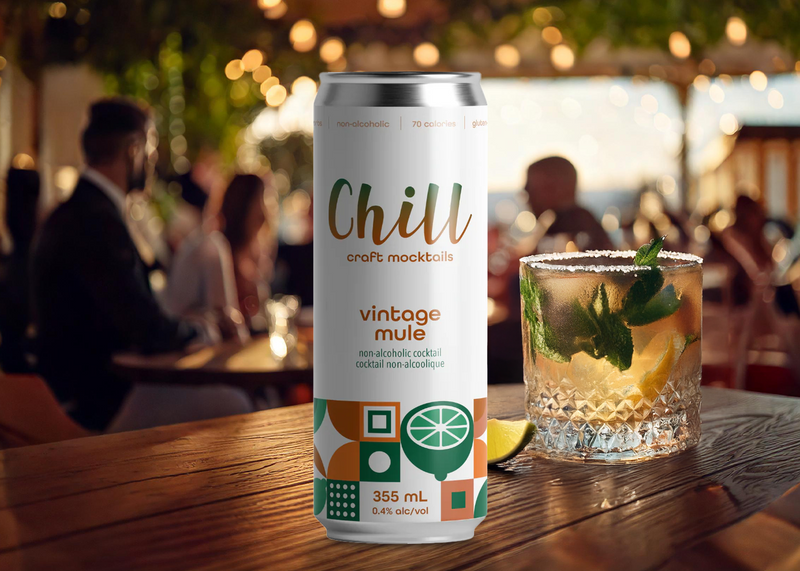
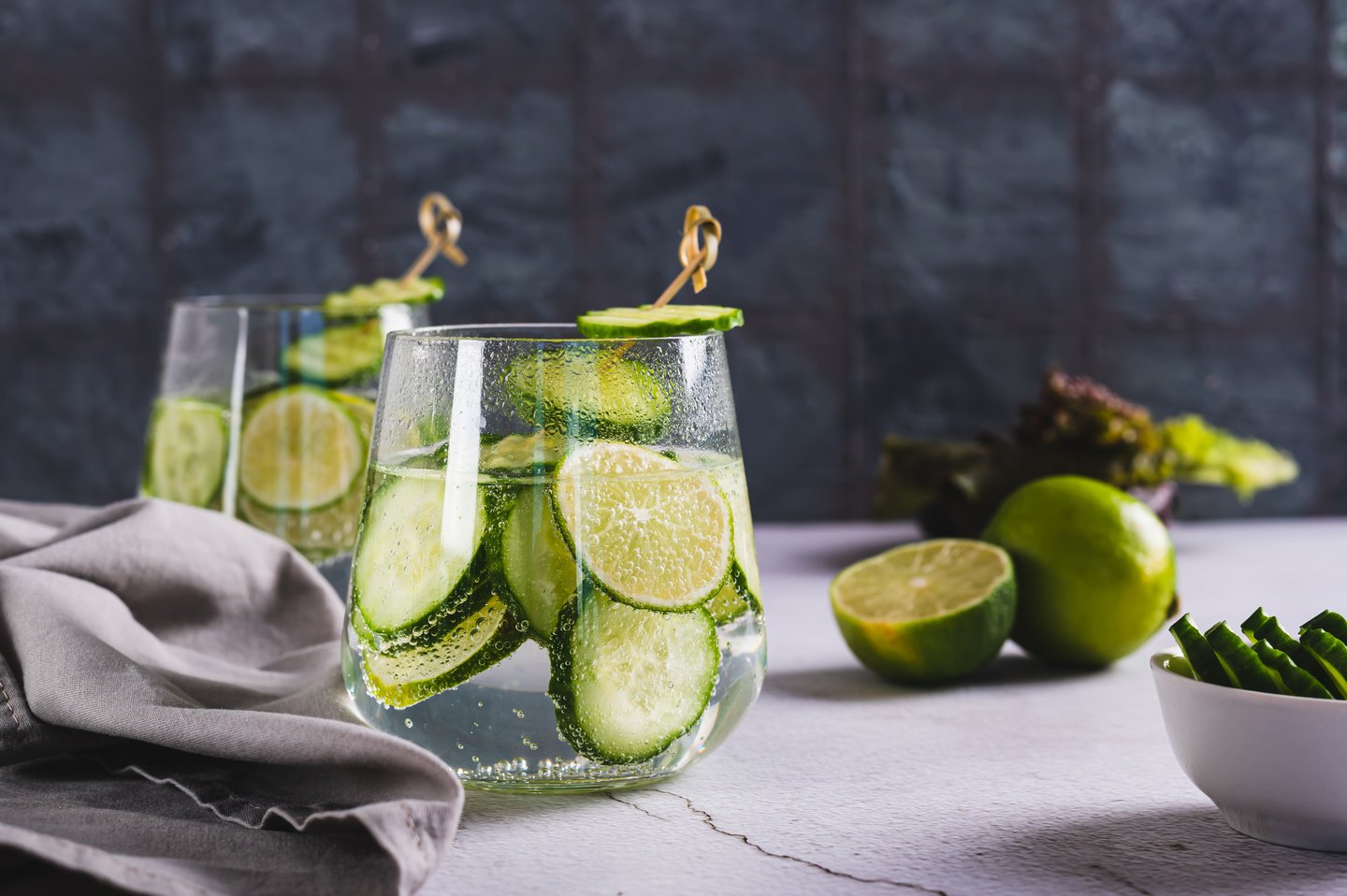 Place a wide lifestyle image immediately below the introduction. Show a beautifully served mocktail on a table with ice, fresh fruit and herbs. Avoid a product-only photo here. The image should communicate “flavour, freshness and occasion” before the reader reaches the educational sections.
The Five Elements of Mocktail Balance
There is no single formula for every drink, but five elements are particularly useful when thinking about flavour: sweetness, acidity, aroma, texture and temperature. Carbonation can also have a major influence, especially in sparkling drinks.
1. Sweetness
Sweetness is often the first flavour people notice. Fruit, syrups, juices and other ingredients can provide sweetness, but the amount matters.
A sweet flavour can make a drink feel approachable and round. Strawberry and blueberry, for example, naturally create a fruit-forward experience. But sweetness becomes more enjoyable when something else provides contrast.
This is why a fruity drink often benefits from citrus. Lime or lemon can bring brightness that keeps the drink from feeling too heavy. Fresh herbs can create another layer of contrast.
When building a drink at home, start with the main flavour you want to highlight. Then ask what could make it feel brighter or more interesting rather than simply adding more sweetness.
2. Acidity
Acidity gives a drink brightness. Lemon and lime are common examples, and they can change the entire character of a beverage with a relatively small amount.
Imagine a strawberry-based drink without any acidity. It may taste sweet and fruity, but adding lime can make the fruit seem brighter and more defined. The same principle can work with blueberry, citrus and other fruit flavours.
Acidity is particularly useful when a drink is being served alongside food. Rich or savoury dishes can benefit from a beverage with a bright, refreshing character.
The important thing is balance. Too much citrus can make a drink taste sharp, so acidity should support the other flavours rather than dominate them.
3. Aroma
Flavour is not only about what you taste. Aroma also shapes how a drink is experienced.
Fresh mint, citrus peel, berries, ginger and other aromatic ingredients can make a drink feel more expressive before you even take the first sip. A simple garnish can therefore do more than make a glass look attractive.
For example, a few fresh mint leaves can reinforce the fresh character of a blueberry or lime-based drink. A lime wedge can signal citrus before the drink is tasted. A strawberry garnish can make a fruit-forward drink feel even more inviting.
This is one reason presentation matters. The visual and aromatic cues surrounding a drink can influence how people experience it.
 Place an image after the aroma section showing ingredients such as strawberries, blueberries, lime, mint and ginger arranged around an empty glass. This should be an educational image rather than a product shot. It visually reinforces the idea that flavour comes from combining different elements.
4. Texture and Carbonation
Texture is easy to overlook, but it can make a drink feel much more refreshing.
Sparkling water and carbonation can create a lively sensation, while ice changes both temperature and dilution. A drink served over plenty of ice can feel very different from the same drink served warm or without ice.
Carbonation can also help lift fruit and citrus flavours. This is one reason sparkling mocktails can feel especially suitable for summer gatherings, brunches, outdoor meals and casual social occasions.
Texture does not have to be complicated. Sometimes the simplest combination of a chilled beverage, plenty of ice and a little carbonation is enough to create a satisfying drinking experience.
5. Temperature
Temperature can change the way flavours are perceived. A cold drink generally feels more refreshing, especially when it contains citrus, fruit or sparkling elements.
Ice also plays another role: dilution. As ice melts, it gradually changes the concentration of the drink. That can be useful when a beverage is very intense, but too much melting can eventually make the flavour feel weak.
For most refreshing mocktails, serving the drink cold and using enough ice helps maintain a consistent experience from the first sip to the last.
Think in Contrasts, Not Just Ingredients
One of the easiest ways to improve a mocktail is to stop thinking only about individual ingredients and start thinking about contrast.
Sweet + tart.
Fruit + herb.
Warm spice + citrus.
Rich flavour + carbonation.
Soft fruit + fresh acidity.
These combinations create movement in a drink. One flavour catches your attention while another keeps the experience balanced.
Consider blueberry and mint. Blueberry brings a juicy fruit character, while mint adds a cooler, fresher direction. Chill Street's Blueberry Mojito Mocktail follows this kind of flavour combination, bringing blueberry together with mint and a fizzy finish.
The same idea appears in other flavour profiles. Strawberry can bring sweetness and fruitiness, while lime can add brightness. Ginger can introduce warmth and spice, while citrus can make the overall drink feel lighter.
Add a horizontal image here showing two or three ingredient pairings, such as blueberry + mint, strawberry + lime, and ginger + lime. This is a great place for a simple branded graphic or editorial food photograph because the reader is now learning about flavour relationships.
How to Make a Mocktail More Balanced at Home
You do not need to follow a complicated recipe to experiment with flavour. Start with one main ingredient or flavour profile and build around it.
If you want a fruit-forward drink, choose one fruit as the centre. Strawberry and blueberry are easy starting points because they have recognizable flavours. Add a source of acidity, such as lime, and then consider an aromatic ingredient such as mint.
If you want something brighter, start with citrus. Lemon and lime can create a refreshing base, while sparkling water can add lift.
For something warmer and more expressive, try ginger with citrus. The combination can create a drink that feels refreshing but has more depth than a simple fruit drink.
The most important part is tasting as you go. If the drink feels too sweet, think about adding brightness rather than simply adding more liquid. If it tastes too sharp, consider whether the main flavour needs more sweetness or dilution. If it feels flat, aroma, carbonation or a fresh garnish may help.
This is essentially how to make a mocktail that feels intentional: start with a flavour, add contrast, then adjust.
Familiar Flavours Can Make Great Mocktails
One advantage of cocktail-inspired mocktails is that the flavour profiles are already familiar.
A daiquiri-inspired drink suggests fruit and citrus. A mojito-inspired drink suggests mint and lime. A mule-inspired drink brings ginger and citrus to mind. A margarita-inspired drink points toward citrus and a bright, refreshing character.
These familiar references can make choosing a drink easier because people already understand the general flavour direction.
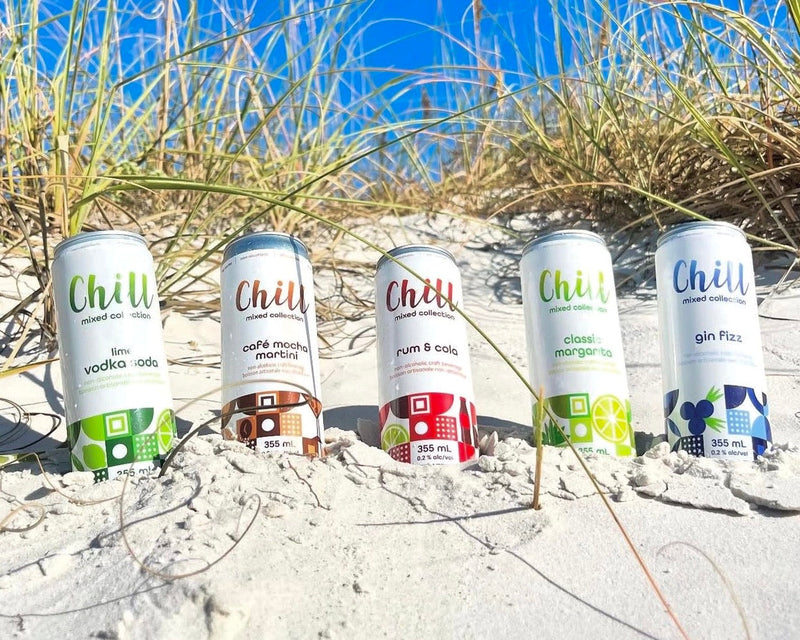
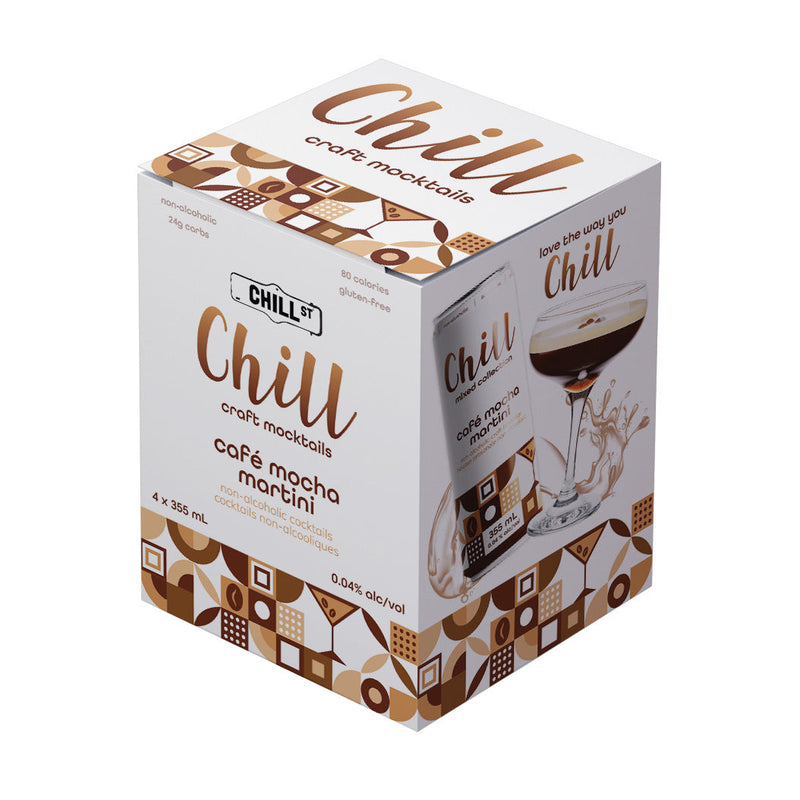
Chill Street's current craft mocktail collection includes Strawberry Daiquiri, Blueberry Mojito, Vintage Mule, Classic Margarita, Gin Fizz, Rum & Cola and other familiar styles. The collection gives people different flavour personalities to choose from rather than treating every mocktail as the same type of drink.
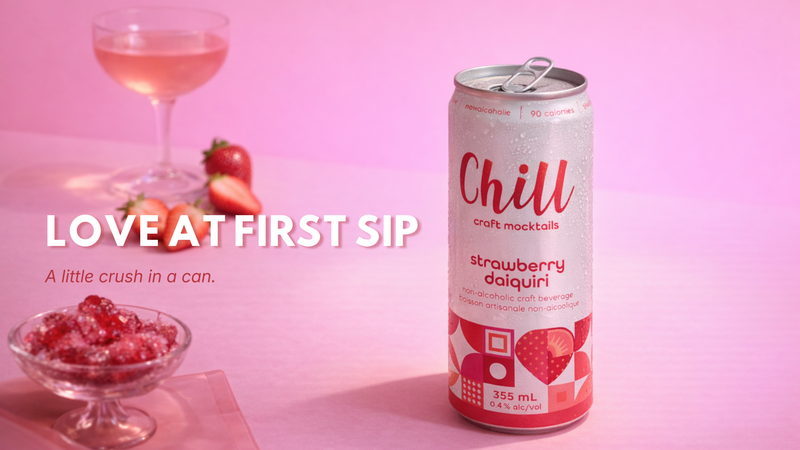
For example, Strawberry Daiquiri brings a sweet, fruity direction with a slightly tart finish, while Blueberry Mojito combines blueberry and mint with a fizzy finish. This is the first point where I recommend using an actual Chill Street product image. Show 3–4 cans together rather than only one can. Ideally use Strawberry Daiquiri, Blueberry Mojito, Vintage Mule and Classic Margarita to visually demonstrate different flavour profiles. This image should sit immediately after the paragraph introducing the Chill Street collection.
Choosing a Mocktail Based on the Occasion
Flavour balance also helps you choose the right drink for a particular moment.
For brunch, fruit-forward flavours can work well alongside berries, pastries, pancakes and lighter savoury foods. Strawberry is an easy direction because it feels bright and daytime-friendly.
For a summer gathering, refreshing citrus, berry and mint flavours can work especially well. Serve drinks cold over ice and keep fresh garnishes nearby so guests can personalize their glasses.
For BBQs and grilled foods, ginger and citrus can provide useful contrast to smoky or savoury dishes. A Vintage Mule-style drink, for example, can bring a different flavour direction from a fruit-forward beverage.
For dinner, think about the intensity of the food. A delicate seafood dish may benefit from bright citrus or fresh fruit, while richer grilled foods can handle more expressive flavours.
There is no universal pairing rule. The goal is to create contrast or connection depending on the meal.
The Role of Presentation
A good mocktail should taste good, but presentation can make the experience feel more special.
You do not need elaborate glassware. A clean glass, fresh ice and one simple garnish can make a significant difference.
Match the garnish to the drink. Use strawberries for strawberry drinks, blueberries and mint for berry-mint drinks, or lime for citrus-forward beverages. The garnish should reinforce the flavour rather than simply decorate the glass.
For a gathering, presentation can also help guests understand what they are choosing. If you have several drinks available, place each flavour together with a simple garnish or small description.
This turns the drink table into part of the experience.
Place a lifestyle photograph after this section showing several finished drinks on a table during a casual gathering. Include glasses, ice, simple garnishes and food in the background. This image should communicate the “good drinks, good moments” side of Chill Street rather than looking like an advertisement.
A Simple Formula to Remember
When you are creating or choosing a mocktail, think about this simple sequence:
Start with flavour.
Choose the main character of the drink: strawberry, blueberry, citrus, ginger, coffee or another flavour you enjoy.
Add contrast.
Think about what the main flavour needs. Fruit may benefit from citrus. Ginger may benefit from lime. A rich flavour may benefit from carbonation or acidity.
Add aroma.
Mint, citrus peel, fresh fruit or herbs can make the drink more expressive.
Consider texture.
Ice and carbonation can change how refreshing the drink feels.
Serve it well.
A cold drink, the right glass and a simple garnish can make the experience feel complete.
This approach is flexible enough to work whether you are mixing a drink from scratch or choosing from ready-to-serve options.
What Makes a Mocktail Memorable?
Ultimately, a memorable mocktail is not necessarily the one with the most ingredients. It is the one where the flavours make sense together.
It might be a bright strawberry drink with a little lime. It might be blueberry with fresh mint. It might be ginger with citrus and plenty of ice. Or it could be a richer coffee-and-chocolate-inspired drink served slowly after dinner.
What matters is balance and intention.
That is also why a good mocktail can fit so many different occasions. It can sit beside brunch, become part of a BBQ, complement a seafood dinner or simply make a quiet evening at home feel a little more special.
Chill Street's range reflects this idea by offering familiar cocktail-inspired flavours across its craft mocktail collection, giving people different options depending on what they enjoy and when they want to enjoy it.
Final Thoughts
A great mocktail does not need to imitate an alcoholic cocktail perfectly. It needs to create a satisfying drinking experience of its own.
Start with a clear flavour. Look for contrast. Balance sweetness with acidity, add aroma, pay attention to texture and serve the drink cold. Then consider the food, occasion and people around the table.
Once you understand those basics, choosing or creating non alcoholic drinks becomes much more intuitive. You can move beyond simply asking whether a drink contains alcohol and start asking a better question: does it taste good, feel balanced and fit the moment?
That is where mocktails become more than an alternative. They become part of the occasion.