
What Makes a Good Mocktail? Understanding Flavour & Balance
A great mocktail is about more than removing alcohol from a familiar cocktail. It is about creating a drink that tastes complete, feels refreshing and gives you a reason to enjoy another sip. Sweet fruit, bright citrus, aromatic herbs, warming spices, bubbles and ice can all contribute to that experience. The secret is understanding how these elements work together.
Whether you are preparing drinks for a dinner party, planning a summer gathering or exploring non alcoholic drinks for everyday occasions, learning a little about flavour can change the way you choose and serve beverages. You do not need professional bartending equipment or a complicated recipe. With a few simple principles, you can better understand what makes a drink enjoyable and how to create combinations that feel balanced.
What Makes a Mocktail Taste Good?
A good mocktail brings different elements together rather than relying on one flavour alone. A glass of fruit juice can be sweet and pleasant, but a thoughtfully prepared drink might add citrus for brightness, herbs for aroma, carbonation for texture and ice for a refreshing finish.
That contrast is what makes the experience interesting. A drink that is too sweet can feel heavy after a few sips. One with too much citrus may taste sharp, while a beverage with very little flavour contrast can feel flat. Balance does not mean making every ingredient equally noticeable. It means allowing each element to contribute to the overall taste.
Familiar combinations are often a useful starting point. Strawberry and lime bring fruitiness and brightness. Blueberry and mint combine a juicy fruit character with a fresh herbal note. Ginger and citrus offer a different experience, bringing warmth together with a lively, tangy finish.
The best combination depends on the flavour you enjoy, the food you are serving and the occasion. Once you understand the basics, choosing or making a mocktail becomes less about following strict rules and more about knowing what works together.
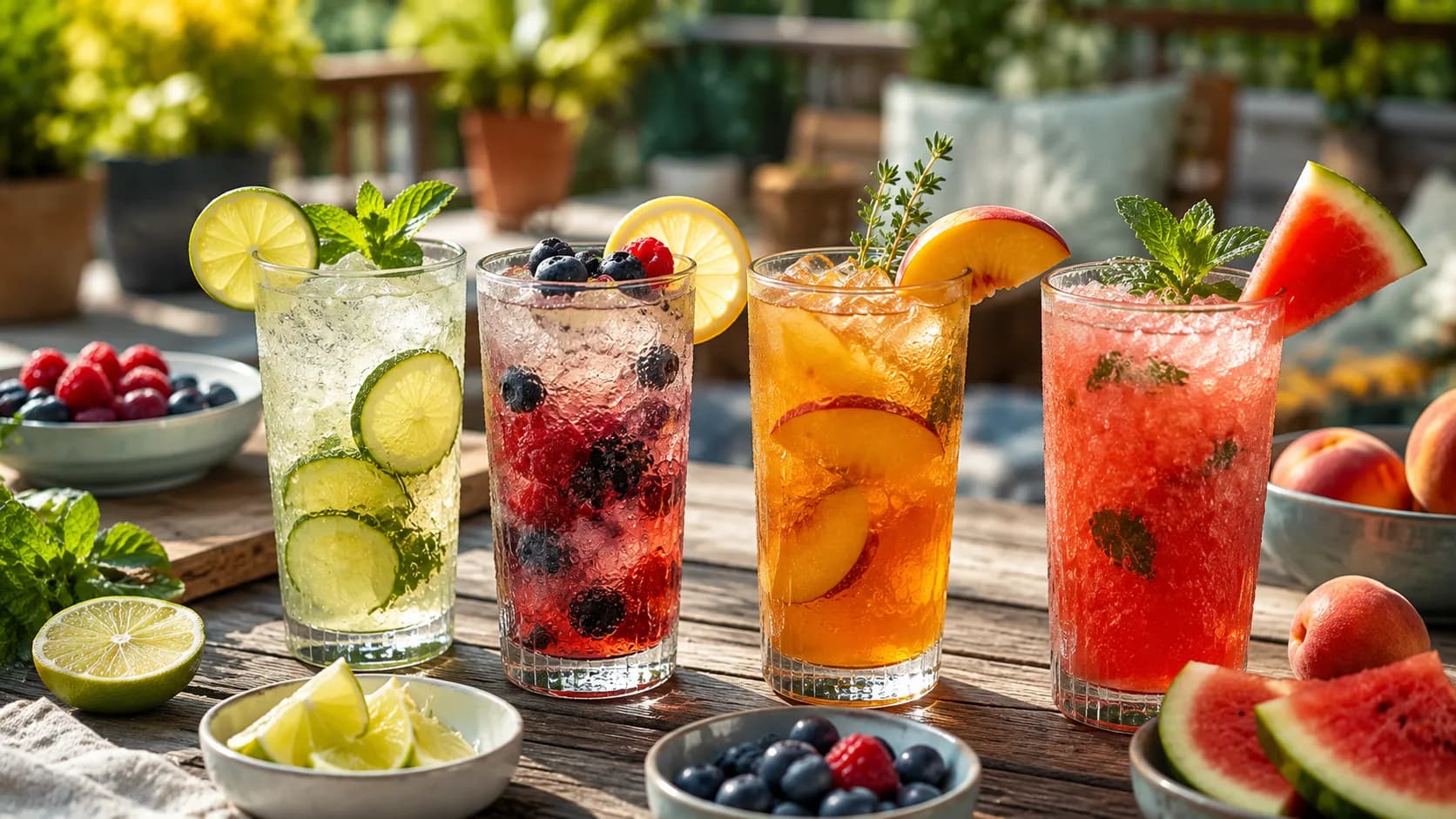
The Five Elements of a Well-Balanced Mocktail
There is no single formula that works for every drink. However, five elements are especially useful when thinking about flavour: sweetness, acidity, aroma, texture and temperature. Understanding each one gives you a practical foundation for making better choices.
1. Sweetness: The Starting Point
Sweetness is often one of the first things you notice in a drink. Fruit, juice and syrups can provide it, creating a familiar and approachable flavour.
Strawberries, blueberries and other fruits can make a drink feel juicy and expressive. But sweetness is most enjoyable when it has something to balance it. Without contrast, a fruit-forward drink can become one-dimensional.
Citrus is one way to introduce that contrast. A little lemon or lime can make a sweet flavour feel brighter and more defined. Herbs can also provide a fresh counterpoint, helping the drink feel more layered.
When choosing ingredients, start by deciding which flavour you want to lead. If you want the drink to taste predominantly of strawberry, for example, let strawberry remain the centre rather than adding so many ingredients that its character disappears.
2. Acidity: Bringing Brightness
Acidity gives a drink its lively, tangy character. Lemon and lime are common sources, and even a small amount can change how a fruit flavour comes across.
Think about strawberry paired with lime. The strawberry brings a sweet, fruity note, while the lime introduces a sharper edge that helps keep the combination lively. Blueberry can also work with citrus because the contrast gives the fruit flavour a brighter direction.
Acidity can be particularly useful when serving drinks with food. Rich, savoury or grilled dishes often pair well with something fresh and bright, while a citrus-forward drink can help create contrast with a meal.
More acidity is not always better, however. Too much lemon or lime can overpower the other ingredients. The aim is to create enough brightness to support the main flavour without making the drink unpleasantly sharp.
3. Aroma: The Flavour You Notice Before the First Sip
Aroma plays a significant role in the way we experience a drink. Fresh mint, citrus peel, ginger and ripe fruit can all add character before the first sip.
Garnishes are useful for this reason. A sprig of mint can reinforce the fresh character of a berry drink. A lime wedge signals a citrus note, while a slice of strawberry makes a fruit-forward drink look and smell inviting.
Aroma can also help distinguish similar flavour combinations. Two drinks may both contain citrus, for example, but one with mint can feel fresher and more herbal, while one with ginger can feel warmer and more pronounced.
You do not need a large collection of garnishes. Choose one that complements the drink's main flavour and use it to reinforce the experience rather than overwhelm it.
4. Texture and Carbonation: More Than Just Bubbles
Flavour is only part of the experience. Texture also influences how a drink feels in your mouth.
Carbonation creates a lively, sparkling sensation that can make a beverage feel especially refreshing. It can work well with fruit, citrus and herbal flavours, adding another dimension without requiring more ingredients.
Ice matters, too. A well-chilled drink can feel crisp and refreshing, while a drink that becomes too diluted may lose some of its character. The amount of ice, the size of the glass and the time spent serving the drink can all influence the final experience.
When preparing drinks for guests, consider how they will be served. A sparkling drink poured over ice may be ideal for a summer afternoon, while a richer, coffee-inspired drink might suit a slower evening.
The goal is not to make every mocktail fizzy. It is to choose a texture that complements its flavour and purpose.
5. Temperature: Serving Can Change the Experience
Temperature can affect how refreshing and expressive a beverage feels. Fruit and citrus drinks are often enjoyable when served cold, especially in warm weather or alongside a meal.
Ice also gradually dilutes a drink as it melts. Some dilution can soften intense flavours, but too much can leave a beverage tasting weak. Chilling the drink properly and serving it with enough ice can help maintain a more consistent experience.
If you are preparing drinks ahead of time, consider keeping the beverage chilled and adding ice just before serving. For sparkling drinks, adding the carbonated element close to serving time can help preserve the lively texture.
These details may seem small, but they can make the difference between a drink that simply tastes pleasant and one that feels thoughtfully prepared.
Think in Flavour Combinations, Not Just Ingredients
One of the easiest ways to understand mocktail balance is to think about how flavours contrast with or complement one another.
Sweet fruit + citrus: Strawberry and lime offer a familiar combination of fruitiness and brightness.
Berry + herb: Blueberry and mint bring together a juicy fruit character and a fresh herbal note.
Ginger + citrus: Ginger adds a warming, spicy character, while lime or lemon introduces brightness.
Rich flavour + refreshing texture: Coffee or chocolate-inspired flavours can feel more approachable when served chilled and presented thoughtfully.
These combinations are starting points rather than strict rules. The right proportions depend on the ingredients and the overall flavour you want to create.
Blueberry and mint, for example, provide a useful illustration of how two ingredients can play different roles in the same drink. Blueberry establishes the fruity character, while mint adds a fresh aromatic note. Chill Street's Blueberry Mojito Mocktail is one ready-to-serve example of this familiar flavour direction.

How to Make a Mocktail Feel More Balanced at Home
You do not need a complicated recipe to start experimenting. A simple approach is to choose a main flavour, introduce contrast and then consider aroma and texture.
Start with one main flavour. Choose strawberry, blueberry, citrus, ginger or another flavour you enjoy. Keeping one flavour in the lead makes it easier to understand what each additional ingredient contributes.
Introduce contrast. If the drink tastes very sweet, a little citrus may provide brightness. If it tastes too sharp, consider whether the overall combination needs more fruitiness or a small amount of dilution. Make changes gradually rather than adding several ingredients at once.
Think about aroma. Fresh mint, citrus peel or a suitable fruit garnish can make the drink more expressive without changing the recipe dramatically.
Choose the right texture. Decide whether sparkling water, ice or a smoother finish suits the flavour. A fizzy drink can feel lively, while a richer drink may be better served in a different style of glass.
Taste and adjust. When making a drink from scratch, add ingredients in small amounts and taste as you go. There is no need to chase a perfect mathematical ratio. The aim is to find a combination that tastes good to you.
This is a practical approach to how to make a mocktail that feels intentional: establish a clear flavour, add contrast and make small adjustments until the elements work together.
What Familiar Cocktail-Inspired Flavours Can Teach Us
Many popular mocktail styles are built around flavour combinations that people already recognize. A daiquiri-inspired drink suggests fruit and citrus. A mojito-inspired drink brings mint and lime to mind. A mule-inspired drink is associated with ginger and citrus, while a margarita-inspired drink often has a bright lime character.
These familiar references make it easier to choose a drink because they communicate something about the flavour before you take a sip.
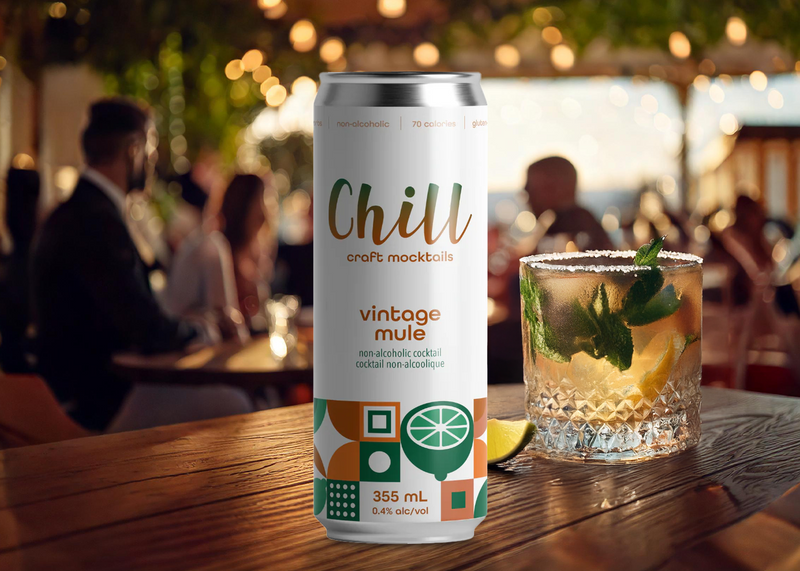
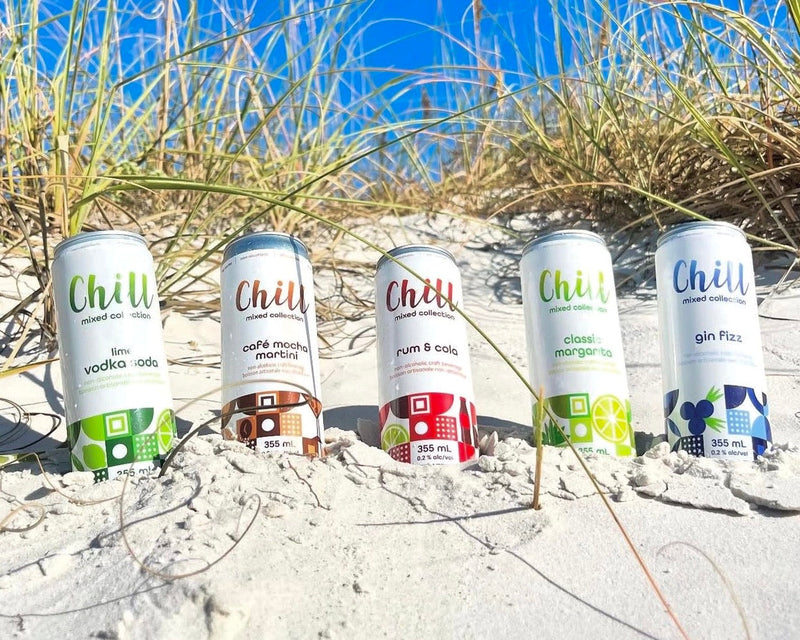
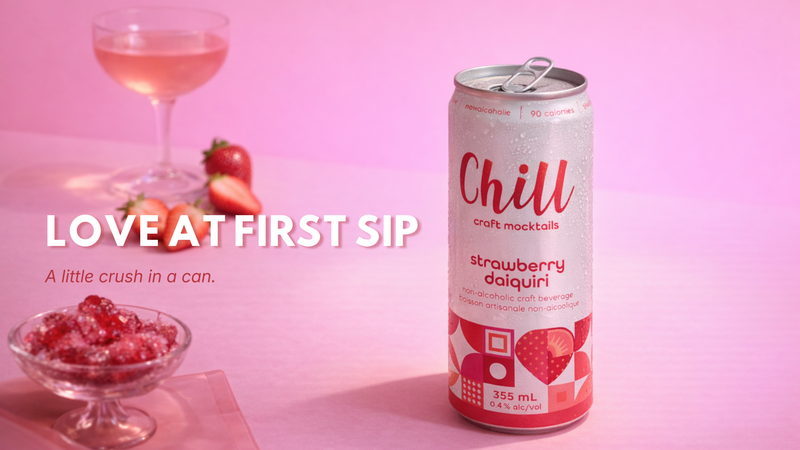
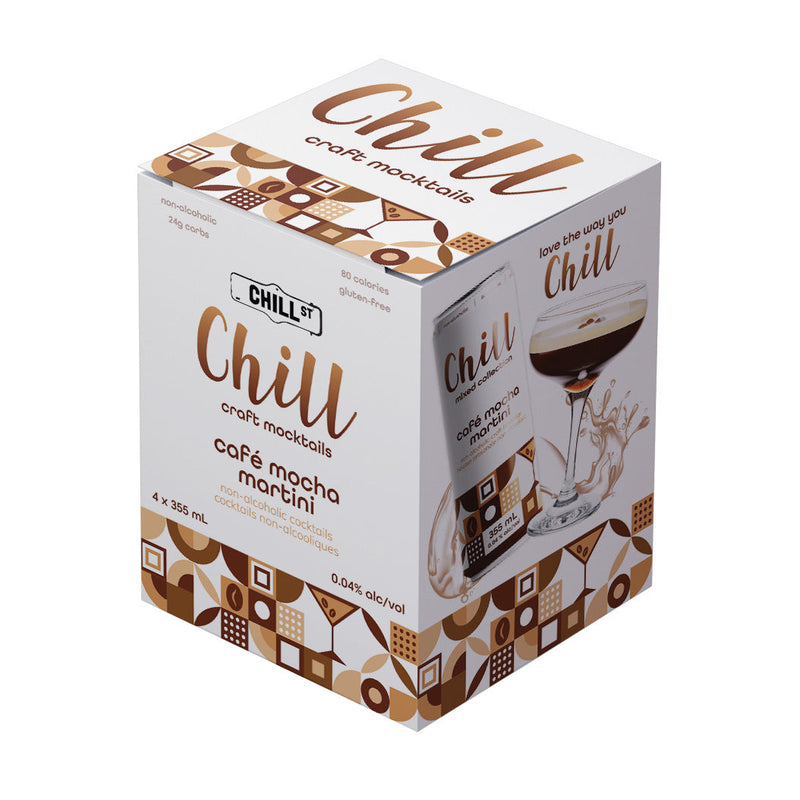
Chill Street offers several cocktail-inspired options, including Strawberry Daiquiri, Blueberry Mojito, Vintage Mule, Classic Margarita and Gin Fizz. Each provides a different starting point for people who prefer fruit-forward, herbal, ginger or citrus-led flavours.
For instance, the Classic Margarita Mocktail is described by Chill Street as having zesty lime flavour with a smooth, slightly sweet finish. Its flavour profile illustrates the contrast between citrus brightness and sweetness discussed throughout this guide. The Vintage Mule offers another direction for those drawn to ginger-inspired flavours.
These products can be useful when you want a ready-to-serve option instead of mixing every ingredient yourself. You can also use their flavour profiles as inspiration when choosing garnishes, planning a drink menu or deciding what to serve alongside food.

Choosing a Mocktail for the Occasion
A balanced drink should suit the moment in which it is served. Thinking about the occasion can help narrow down the flavour and presentation choices.
For brunch: Fruit-forward flavours can work nicely with pancakes, waffles, pastries and fresh fruit. Strawberry or citrus-led options can complement a relaxed daytime menu.
For a summer gathering: Berry, mint and citrus flavours are natural directions to consider. Serve drinks chilled, prepare plenty of ice and offer a few simple garnishes so guests can personalize their glasses.
For a BBQ: Ginger and citrus can provide contrast to smoky, savoury foods. Fruit-forward drinks can also work well, depending on the sauces, seasonings and sides being served.
For dinner: Consider the intensity of the meal. A light seafood dish may suit a bright, fresh drink, while richer grilled foods can stand up to a more pronounced flavour.
For a quiet evening: There is no need to make the drink elaborate. A familiar flavour, a suitable glass and a little attention to presentation can make an ordinary evening feel more considered.
There are no universal pairing rules. Personal preference matters, and the best choice is the one that complements the food and feels right for the people sharing it.
Presentation: Small Details, Better Moments
A mocktail does not need elaborate glassware or professional garnishing to feel special. A clean glass, fresh ice and a simple garnish can make a noticeable difference.
Match the garnish to the flavour. Strawberries work naturally with strawberry-led drinks, mint can reinforce berry and herbal notes, and lime can complement citrus-forward combinations. The garnish should tell the same flavour story as the drink itself.
Presentation also helps when serving a group. If you are offering several drinks, arrange them together with suitable glasses, ice and a few garnishes. Guests can see the options and choose something that appeals to them without needing a complicated menu.
Most importantly, presentation should make serving easier rather than create extra work. A few thoughtful details are usually enough.
A Simple Checklist for a Better Mocktail
Before serving a drink, consider these five questions:
- Is the main flavour clear? You should be able to identify what the drink is meant to taste like.
- Is there enough contrast? Sweetness, acidity, herbs or spice can help create a more interesting flavour profile.
- Does the aroma fit? Choose a garnish that complements rather than competes with the drink.
- Does the texture suit the occasion? Think about carbonation, ice and temperature.
-
Does it work for the moment? Consider the food, the weather and the people you are serving.
You do not need to check every box in exactly the same way for every beverage. A rich coffee-inspired drink will naturally differ from a bright citrus spritz. The checklist is simply a way to think more deliberately about the experience.
Great Flavour Does Not Need to Be Complicated
A memorable mocktail is not necessarily the one with the longest ingredient list. It is the one where the flavours work together.
Strawberry with lime, blueberry with mint, or ginger with citrus can each create a distinctive experience without requiring an elaborate preparation process. The key is understanding what each flavour contributes and choosing combinations that suit your preferences.
That principle applies whether you are making drinks at home or choosing ready-to-serve non alcoholic drinks for a gathering. Look beyond the name of the beverage and consider its flavour, texture, aroma and the occasion in which you plan to enjoy it.
Chill Street's range of craft mocktails offers several familiar flavour profiles for different moments, from relaxed afternoons to dinners and gatherings with friends. You can explore the Chill Street product range to find an option that fits your preferences.
Ultimately, a good mocktail is about more than following a recipe. It is about creating a balanced, enjoyable drink that belongs in the moment. Start with a flavour you love, look for a little contrast, serve it thoughtfully and let the occasion do the rest.